
Many people see the kitchen as the heart of the home, where families gather, friends are entertained, and everyday meals turn into special moments. That’s why many people consider a kitchen renovation a worthwhile investment. In Australia, a well-designed, modern kitchen can significantly lift resale value and buyer appeal, making it one of the most valuable upgrades a homeowner can undertake. But the benefits go well beyond the financial. Improved layout and storage, upgraded appliances, and well-planned lighting and ventilation can completely change how your home functions day to day.
In this guide, we’ll walk through the key reasons homeowners choose to renovate their kitchen, what to consider before you start, and how to plan a kitchen that truly works for the way you live.
Top reasons homeowners renovate their kitchen
Kitchen renovations usually start with a simple realisation that the space no longer works like it used to. Below are the most common reasons homeowners choose to renovate, and what each one can improve in day-to-day life.
1. Increase home value
A kitchen renovation is one of the few upgrades that can genuinely change how the entire home feels. Even modest improvements, like a better layout, refreshed finishes, and modern appliances, can lift perceived value because buyers (and valuers) pay close attention to kitchens. It’s also a smart way to bring an older home in line with current expectations without needing to extend.
In Australia, kitchens are a major deciding factor during inspections. A well-renovated space with contemporary finishes, quality appliances, and an efficient layout can make the home feel more move-in ready, more functional, and ultimately more appealing to buyers.
2. Improve functionality and storage
Most people renovate because the kitchen simply doesn’t work for how they live now, whether due to limited storage, inefficient workspace design, or outdated appliances. A well-planned renovation improves workflow, adds usable storage, and makes everyday cooking and cleaning faster and less frustrating.
3. Aesthetic upgrade and modernise
A kitchen renovation is a chance to refresh the look and feel of the space and make it better reflect your style. Whether you’re doing a simple update or a full remodel, modern materials, finishes, and thoughtful design choices can transform an outdated kitchen into something clean, cohesive, and inviting.
A well-designed kitchen doesn’t just improve the home’s overall appeal, it makes the space more enjoyable to use every day, from cooking and dining to entertaining. By choosing contemporary finishes alongside durable, practical materials, you can create a kitchen that looks great now and still holds up beautifully for years to come, often becoming a space you naturally spend more time in.
4. Improve energy efficiency and ventilation
Older kitchens often have inefficient appliances that chew through power, poor lighting, and weak ventilation that struggles with heat, steam, and lingering cooking odours. Over time, that can make the kitchen feel stuffy and harder to keep clean, with grease and moisture settling on surfaces.
Upgrading to modern, energy-efficient appliances can reduce running costs, while targeted lighting for prep areas and softer ambient lighting can make the kitchen more functional. A properly sized and correctly ducted rangehood can dramatically improve comfort, remove moisture, and keep the kitchen feeling fresh, especially in open-plan homes where smells and steam otherwise drift through the rest of the home.
5. Improve entertaining
In many Fleurieu homes, the kitchen naturally becomes the gathering point, people gravitate to where the food, drinks, and conversation are. But older layouts can make entertaining feel cramped, tight walkways, poor flow to outdoor areas, or a kitchen that turns the cook into the person stuck facing a wall.
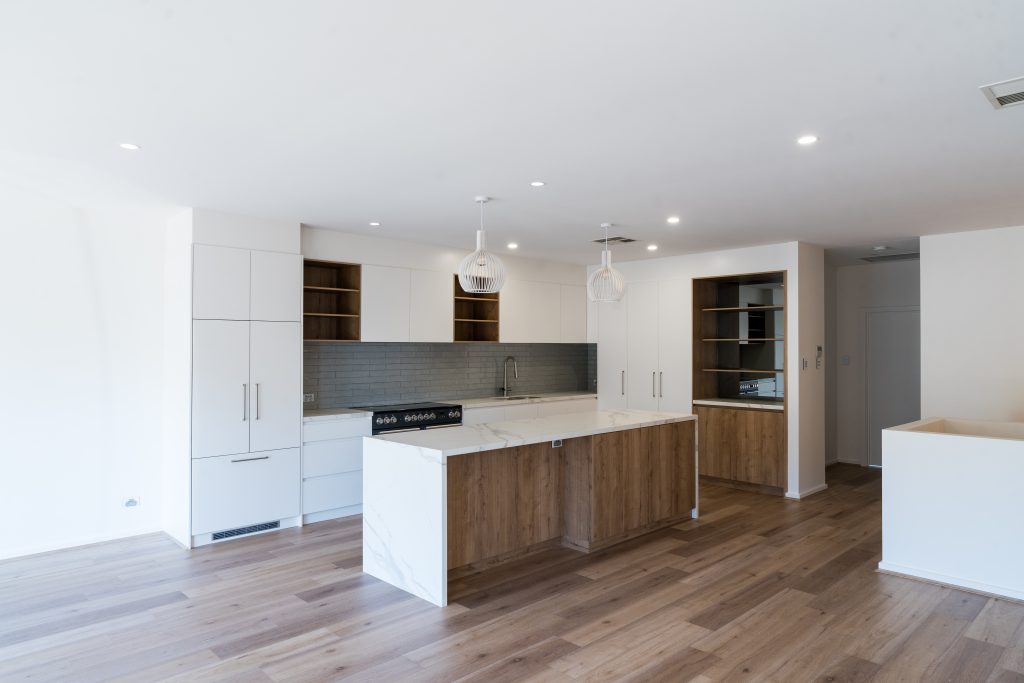
Renovating gives you the chance to design your kitchen around how you host. Better indoor-outdoor connection, clear walkways, and an island or peninsula for seating create an easy “hangout” zone, while smart storage keeps benches clear and the kitchen calm, even when it’s full of people.
Is renovating your kitchen worth it?
If your kitchen causes daily friction, limited storage, poor layout, not enough bench space, or it feels tired, renovating can transform how the whole home functions and feels, better matching the way you live now. The best renovations aren’t just visual; they solve practical problems and improve how the home functions.
A kitchen renovation is also worth considering when you’re planning to sell within the next few years and the current kitchen is likely to hold the home back in inspections. Even if you’re not selling soon, renovating can be worthwhile if it makes the home easier to live in and reduces ongoing maintenance or usability issues.
A kitchen renovation is usually a good decision when:
- The layout no longer functions to how you work every day
- Storage is forcing clutter
- You’re dealing with wear and tear
- Ventilation is poor
- You want to entertain more and the kitchen feels impractical
If you’re constantly working around the kitchen instead of it working for you, that’s often the clearest sign it’s time to consider a kitchen renovation.
What impacts the cost of a kitchen renovation
Kitchen renovation costs vary widely, but they mostly come down to scope, layout changes, and finish selections. Costs tend to rise if you move plumbing or electrical or gas, choose custom cabinetry and integrated appliances, upgrade to premium benchtops and splashbacks, make structural changes, or improve services like ventilation and lighting.
It’s also important to allow for appliances, extra power points, tapware and plumbing changes, flooring patching, painting or plaster touch-ups, demolition and disposal, and a temporary kitchen setup during the works.
From simple updates to full redesigns
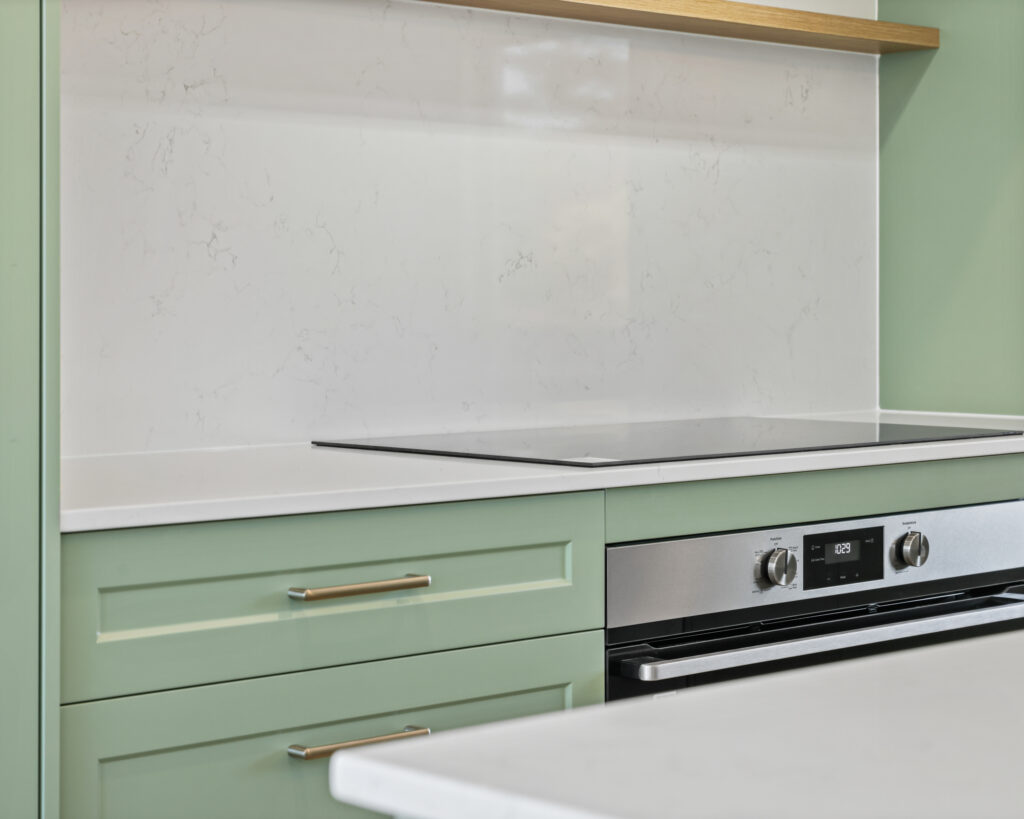
Kitchen renovations generally fall into three levels of scope, depending on what you want to change and how far you need to go to get the result. From a simple visual update to a full reconfiguration, the right option comes down to your layout, budget, and how you use the space.
Cosmetic refresh
A cosmetic refresh is best when the layout works and the cabinetry is still in good shape, but the kitchen feels dated, think painted or refaced doors, new handles, updated tapware and sink, improved lighting, a new splashback, and small styling upgrades without major construction.
Partial renovation
A partial renovation suits homeowners who want a bigger lift with new cabinetry and surfaces while keeping plumbing and electrical largely in place; it typically includes new cabinets and storage configuration, new benchtops and splashback, appliance upgrades (often in the same positions), plus updated lighting and power points.
Full renovation
A full renovation is the right move when the layout is the main issue or you’re renovating other parts of the home, and may involve reworking the floorplan and workflow, relocating services, making structural changes, and delivering a complete redesign with new cabinetry, surfaces, appliances, and lighting.
Henry St Home Renovation
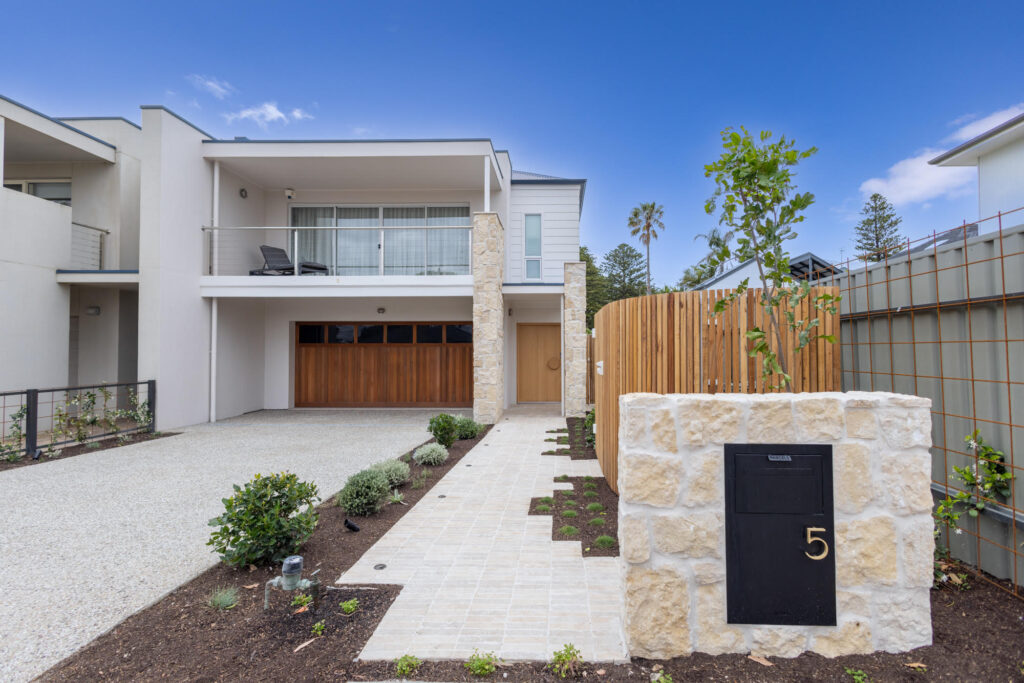
At Henry St, the goal was to deliver a renovation that felt cohesive, considered, and highly liveable, upgrading both the look and the day-to-day function of the home. The kitchen plays a central role in the overall transformation, with a focus on cleaner lines, better flow, and finishes that elevate the space while staying practical for everyday living.
Your next step to start your kitchen renovation
A kitchen renovation isn’t just about making things look newer, it’s about making the heart of the home work for the way you live every day. Whether you’re refreshing tired finishes, improving storage and workflow, or redesigning the layout for entertaining, the best results come from clear decisions and thoughtful planning from the start.
Kleinig Constructions specialises in high-quality renovations across the Fleurieu Peninsula and can help you choose the right scope for your home.
Get in touch to discuss your kitchen renovation ideas and organise a consultation with Kleinig Constructions.
Common kitchen renovation questions
What changes make the biggest difference to day-to-day functionality in a kitchen?
The biggest gains usually come from a combination of layout, storage, and lighting. Improving the workflow reduces daily frustration. Pair that with more usable storage, deep drawers, a well-planned pantry, pull-outs, recycling solutions, and benches stay clearer. Finally, add proper task lighting over prep and cooking areas and you’ll feel the improvement every single day.
Which is for my kitchen, Island or peninsula?
It depends on your available space and how you want the kitchen to function. Choose an island if you have enough room for comfortable circulation on all sides and you want a central hub for prep, storage, and seating, especially in open-plan homes where people can gather without getting in the cook’s way. Choose a peninsula if space is tighter, or you want to define the kitchen zone while still adding seating and extra bench space; it’s a great option for narrower layouts because you get many of the island benefits without needing walkways on every side.
What kitchen materials are easiest to maintain for everyday life?
Look for durable, forgiving, easy-clean surfaces. For benchtops, many households prioritise materials that handle everyday mess, wipe down easily, and don’t require special maintenance. For cabinetry, quality laminate or 2-pack finishes are popular for low-maintenance cleaning, and matte finishes often hide fingerprints better than high gloss. For splashbacks, larger-format tiles or full-height panel splashbacks reduce grout lines and make cleaning easier. The best approach is choosing finishes that match your lifestyle, family, pets, and cooking habits, so they look great and hold up to everyday wear..
What’s the best way to improve kitchen ventilation during a renovation?
The most effective upgrade is a properly sized rangehood that’s ducted to the outside, not just recirculating back into the room. During renovation is the ideal time to plan ducting routes, reduce bends where possible, and position the rangehood for the cooktop size and cooking style. Pair this with a layout that supports airflow and you’ll dramatically reduce steam, lingering odours, and grease build-up, particularly important in open-plan spaces.
How can I design my kitchen so it feels calm and uncluttered?
A calm kitchen is usually the result of smart storage, clear zones, and fewer “things on the bench.” Prioritise deep drawers, a pantry that fits your habits, and dedicated homes for everyday items, appliance garage or cupboards for benchtop appliances, and a tidy recycling setup. Keeping the layout simple, choosing a cohesive material palette, and using layered lighting also helps the space feel settled, even when it’s busy.