passive homes

As a HIA GreenSmart builder, Kleinig Constructions creates homes that live in harmony with the environment.
Passive homes designed for the Fleurieu Peninsula.
We believe thoughtful design is future ready, that’s why we design and build homes that are built for sustainability.
Using passive design principles harness that the Fleurieu Peninsula’s natural light, sea breezes and Mediterranean climate, we aim to create spaces that provide energy efficiency and all year comfort.
Built with sustainable materials and considered design, each home works with its surroundings to capture warmth in winter, stay cool through summer and reduce energy use year-round.

The key benefits of passive design on the Fleurieu Peninsula
Homes here face changing temperatures, coastal winds, and bright, coastal light.
Natural Comfort
Take advantage of the Peninsula’s Mediterranean climate, capturing sunlight in winter, drawing in coastal breezes, and managing summer heat. The result is a home that maintains steady comfort without relying heavily on artificial heating or cooling.
Lower running costs
Long-Term Liveability
The passive design principles we consider in each build.
Passive home design uses the natural elements of sun, shade, breeze and insulation to maintain a comfortable indoor temperature without heavy reliance on heating or cooling systems.
Orientation
Site positioning is carefully considered to capture northern light, harness coastal breezes and balance sun, shade and shelter.
Ventilation
Insulation
technology
Solar Control
Material Selection
Interior finishes
The experience of a passive home.
A passive home feels different the moment you walk inside. The air is fresher, the temperature stays steady and the light moves naturally throughout the day.
It is more than a design approach; it is a way of living that combines comfort, sustainability and refined simplicity.
We collaborate with clients, designers and specialists to create homes that perform as beautifully as they look. From concept to completion, every detail is guided by precision, care and a commitment to lasting quality.
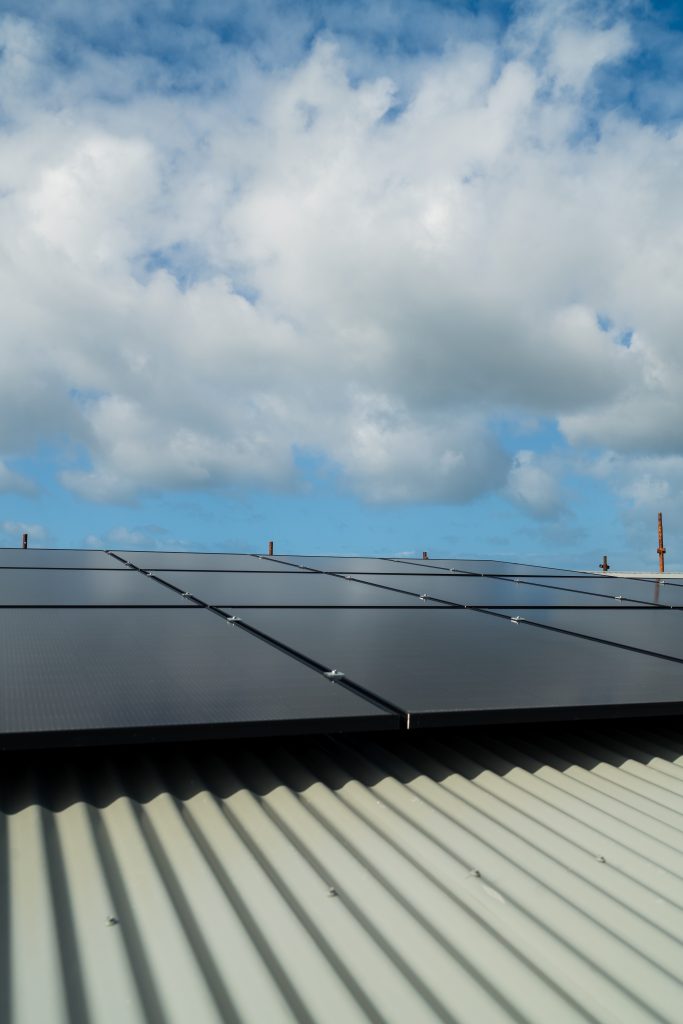
High thermal mass materials
Timber
Fibre cement sheets
Insulation
Double-glazed windows
Natural stone and tiles
Sustainable materials
Here are some of the answers you might be looking for.
What is passive design?
How does passive design benefit homes in this climate?
What are the key passive design principles?
Which materials work best for passive design on the Fleurieu Peninsula?
Can a passive design home have large windows?
Is airtightness important in passive design?
Can passive design be applied to existing homes?