
If you’re living in the Fleurieu Peninsula and thinking about expanding or upgrading your home, you’re in good company. Across Victor Harbor, Goolwa, Port Elliot, Normanville and the surrounding areas, more homeowners are choosing to extend or renovate instead of moving.
It’s not always about more space, it’s about a home that fits how you live now. Before you start looking at designs, it helps to gain a good understanding on whether you’re trying to gain space or improve flow. Sometimes the best result isn’t a bigger footprint, but a smarter layout that makes everyday life feel easier.
In this guide, we’ll cover what’s driving additions and extensions in the Fleurieu Peninsula, what to consider before you commit, and the key decisions that shape your budget, approvals and build complexity.
Do You Need More Space or a Smarter Layout?
Deciding on an addition or an extension depends on what you’re trying to achieve, and what your home and block will realistically allow.
Start by having a clear understanding on what isn’t working now. Is the real issue a lack of space, or is it flow, privacy, storage, or functionality? If you genuinely need extra floor area for another bedroom, bathroom, living zone or dedicated office, an addition is usually worth exploring. But if the home feels cramped because rooms are closed in, storage is poor, or the layout doesn’t suit how you live, a renovation may solve it without the cost of adding a larger footprint.
A simple way to clarify direction is to write down your must-haves, nice-to-haves, and what you’d consider a “win” even if you didn’t add any extra square metres.
Why Fleurieu Homeowners Are Choosing to Extend
Many people fall in love with the Fleurieu Peninsula and simply don’t want to leave. The coastal lifestyle, community feel, outlooks, and the balance of rural and town living are big reasons homeowners choose to improve what they have rather than relocate.
In this region, the most common drivers are staying close to the life you’ve built (schools, neighbours, routines and location), adapting to changing life stages (growing families, kids returning, multi-generational living, or downsizing within the same home), and making the house work harder day to day with better layouts, home offices, and indoor–outdoor living. There’s also huge value in unlocking the potential of an existing home, and avoiding the cost and stress that comes with moving, from stamp duty and agent fees to the uncertainty of finding a home that’s right for you.
When it’s planned well, an addition shouldn’t look like an add-on. It should feel seamless and natural, like it’s always been part of the home.
The 5 most common types of additions
Below are the most common ways Fleurieu homeowners extend or upgrade. The key is choosing the option that suits your block, your lifestyle, and whether this is a short-term fix or a long-term home.
Ground-Floor Extensions
Ideal when you want more usable space without changing how the home functions day to day, such as expanding living areas, adding a bedroom, or opening up the layout. The complexity often comes down to access, drainage, and how seamlessly the new extension can integrate with the existing home’s materials and roofline.
Second-Storey Additions
A strong option when you want to capture views, create better separation between living and sleeping zones, or make the most of a tight or sloping block. Structural requirements and stair placement are the big drivers here, because they influence both the upstairs design and how the downstairs layout needs to change.
Garage or Shed Conversions
Great for adding a home office, studio, or guest space without extending the footprint. The key is making sure the space meets the right standards for comfort and compliance, things like insulation, ventilation, flooring levels, and services can make a big difference.
Kitchen & Bathroom Renovations
Best when the goal is better functionality, storage, and a layout that supports everyday living, not just new finishes. Budgets can move quickly if you’re relocating plumbing or changing wet areas, so it’s worth thinking through layout and services early to avoid surprises down the track.
Outdoor Living Upgrades
Perfect for improving how you use the home in the warmer months, alfresco areas, decks, outdoor kitchens, and entertaining zones that suit Fleurieu living. Coastal exposure, wind, corrosion risk and orientation can all influence material choices and detailing, especially if you want the space to last and feel comfortable year-round.
Site Conditions and Constraints in the Fleurieu Peninsula Homes
Building in the Fleurieu comes with its own realities, especially along the coast and on exposed sites where wind, salt air, and weather can influence materials and detailing. Factoring these conditions in early helps you make smarter design decisions and set a more accurate scope and budget. It also reduces the chance of surprises once planning and construction are underway.
Coastal exposure and durability
Ideal when you want more usable space without changing how the home functions day to day, like expanding living areas, adding a bedroom, or opening up the layout. The complexity often comes down to access, drainage, and how seamlessly the new extension can integrate with the existing home’s materials and roofline.
Sloping blocks and existing structure
Extensions and second-storey additions on sloping sites often require more upfront engineering and careful planning around levels. Retaining, drainage, and how the new work ties into the existing structure can all affect both design decisions and overall build complexity.
Bushfire areas and site-specific requirements
In some parts of the Fleurieu, bushfire overlays can shape what’s required in both design and construction. This can influence material selections, window and door specifications, and the level of documentation needed during the approvals process.
Stormwater and drainage
Stormwater is a common “hidden complexity” factor, particularly when you’re extending the footprint, altering rooflines, or adding paving and outdoor living areas. Thinking about drainage early helps avoid surprises and ensures the finished result performs properly in heavy weather.
Most of these factors aren’t problems or deal-breakers, they just need to be considered early so your scope and budget reflect reality.

What Drives Cost and Shifts Budget on Home Additions
Budgets usually shift because the scope is more complex than it first looks on the outset. The biggest cost drivers are wet areas (especially if plumbing moves), structural changes (like load-bearing walls or second-storey support), and integration work to tie into existing rooflines and materials. Tight site access, unknowns in older homes during demolition, and higher-end selections (windows, cabinetry, fixtures and finishes) can also push costs up quickly. The earlier these factors are identified and allowed for, the easier it is to set a realistic budget and avoid surprises down the track.
Build Up or Build Out? Choosing the Right Option
Choosing between a second-storey or ground-floor extension is one of the biggest decisions you can make, as it influences everything from design and approvals to budget, build complexity, and how disruptive the process feels.
A ground-floor extension often makes the most sense when you have room to build out and you want the home to stay easy to live in long term. It’s a great option for expanding living areas, improving indoor–outdoor connection, and creating more functional day-to-day space without introducing the added structural complexity that can come with building up.
A second-storey addition is usually worth exploring when you want to make the most of views (common in areas like Port Elliot, Middleton and Encounter Bay), your block is tight, or you don’t want to sacrifice yard space. It can also be the best way to create clear separation between living and sleeping zones, or add bedrooms and bathrooms without significantly increasing the footprint.
One practical detail that matters early is stair placement, it can make or break an upstairs addition because it affects the downstairs layout, flow, and how naturally the old and new spaces connect.
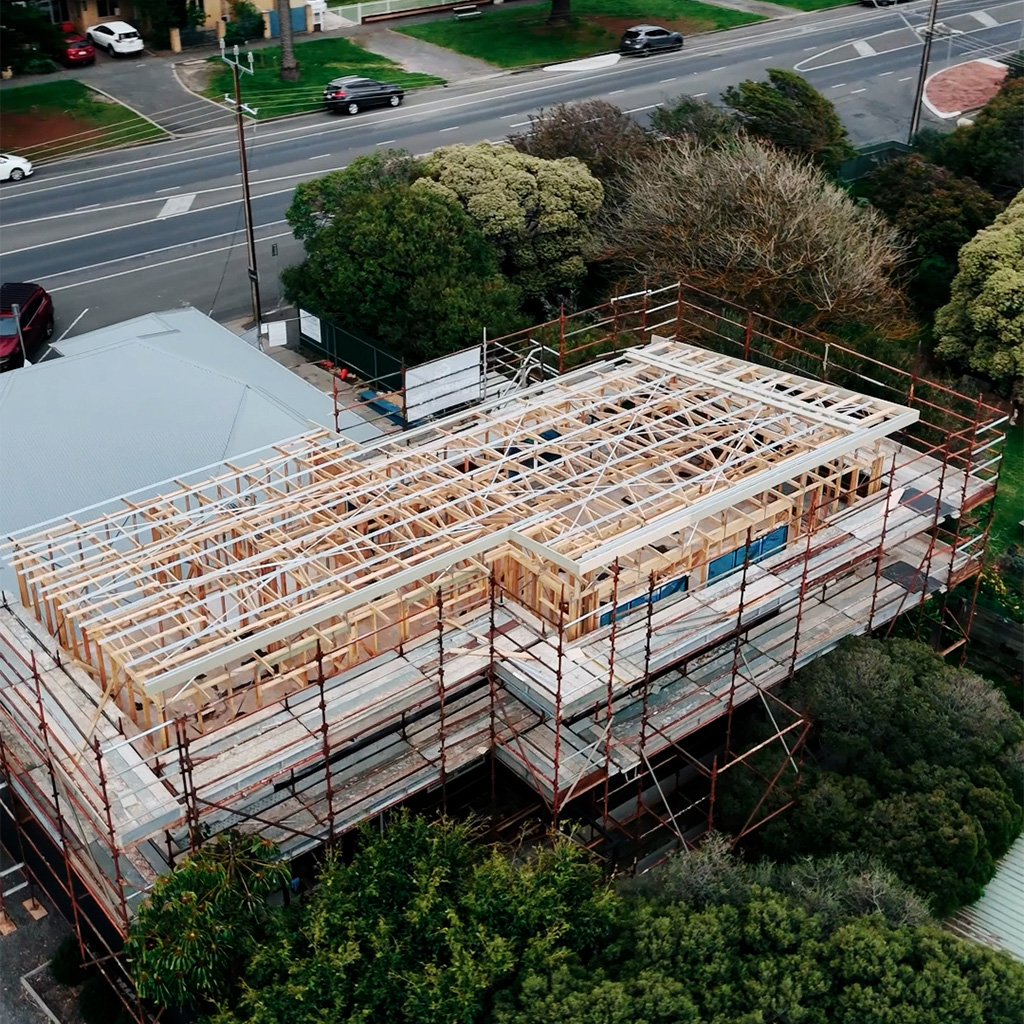
Featured Project: A Second Storey Addition in Victor Harbor
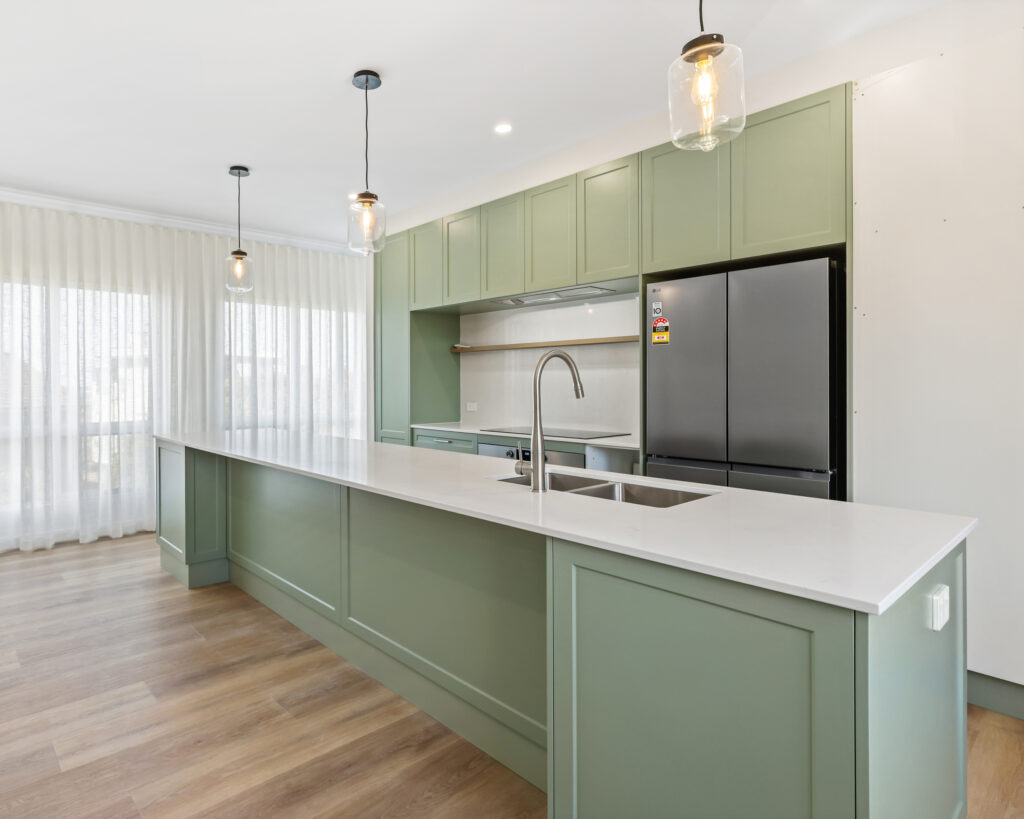
A striking transformation in the heart of Victor Harbor, this project reimagines the original home with a new second storey, an updated roof complete with solar panels, and extensive interior upgrades now underway. Once complete, it will showcase a light-filled, contemporary coastal design that balances modern living with the relaxed charm of seaside life.
How to Choose a Builder for Extensions and Additions
Renovations and additions are a different skillset to new builds because you’re not starting with a clean slate, you’re integrating new work with an existing structure, existing services, and an existing layout.
Choosing a builder with strong renovation experience helps ensure the process stays on track, transparent, and well-managed from scope through to finish.
Renovation experience
Look for a builder who can show comparable additions and explain exactly how they made the old and new parts of the home connect seamlessly.
Clear scope and quoting
A solid quote clearly outlines inclusions, assumptions, allowances, and the process if the scope changes so there are no grey areas later.
Communication and process
Choose a builder who can walk you through how decisions are made, how variations are handled, and what to expect at each stage of the build.
Local awareness
Fleurieu experience matters because local conditions, site constraints, and approvals requirements are easier to anticipate and plan for upfront.
Realistic Timelines
A reliable builder will give a realistic start date and timeframe based on scope and approvals, and will be transparent as timelines evolve during the build.
Ready to Extend or Renovate? Here’s Where to Start
Home additions in the Fleurieu can be one of the best ways to upgrade your lifestyle without giving up the location you love, but the strongest outcomes come from clear priorities, realistic planning, and a scope that suits your block and budget.
Get in touch to discuss your home addition and extension plans and what’s realistic for your home.
Your Most Asked Questions About Home Additions & Alterations
Do I need council approval for a home addition in the Fleurieu Peninsula?
In most cases, yes, however it depends on the type of work, your property, and where you’re building. Some additions and alterations require planning (development) approval, some require building rules consent, and many require both, particularly if you’re changing the footprint, height, setbacks, or doing structural work. The safest approach is to check early with your council or a local building professional so you understand what approvals and documentation are needed before design and quoting progresses.
Is it cheaper to extend out or build up?
It depends on your block, your layout goals, and what you’re trying to gain. Extending out can be more straightforward structurally, but it may introduce costs around earthworks, drainage, access, and losing yard space, and it often requires more roofline and external integration. Building up can preserve outdoor space and capture views, but it can involve more engineering, stair design, structural support work, and greater disruption to the existing home, so the “cheapest” option is usually the one that best suits your site and avoids complex compromises.
What’s the biggest hidden cost in home additions?
Integration and unknowns. Connecting new work to an existing home, matching rooflines, levels, materials, and tying into existing services, can add complexity that isn’t obvious until design is underway. In older homes, demolition can also uncover upgrades that need to happen to bring parts of the build up to standard, which is why clear scoping (and realistic allowances) matters early.
How long does a typical addition take?
The timeframe for a home addition depends on the size of the project, approvals, site constraints, and how much structural work is involved. A realistic way to think about it is in stages; concept and design, documentation, approvals, pre-construction selections, then the build itself, and any one of those stages can extend if plans change or additional engineering/approvals are required. The more clarity you have upfront on scope and selections, the smoother the timeline tends to be.
How do I make an addition feel like it was always part of the original home?
Start with integration, not just extra space. A seamless addition usually comes down to how the new layout connects to the old (circulation, sightlines, ceiling heights), and how external elements align (rooflines, window proportions, material transitions). When the design considers the whole home, rather than treating the extension as a separate space, the final result feels intentional, cohesive, and true to the original architecture.